Guide
Bats in the attic: what North Carolina homeowners should do
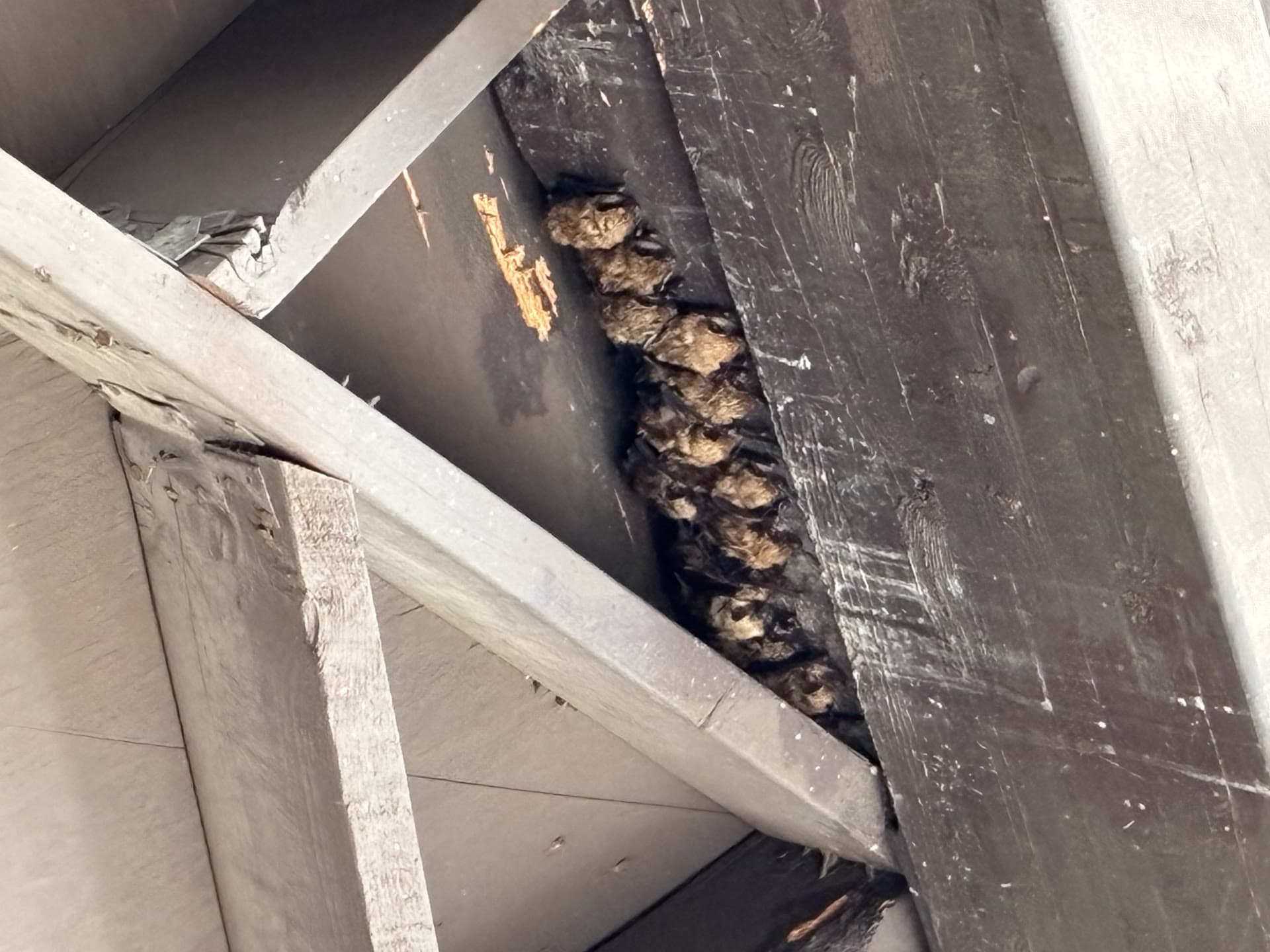
Finding bats in a Carolina attic is stressful—and fixable with the right sequence. North Carolina Wildlife Specialists walks you through safety, NCWRC maternity timing, and humane exclusion so you do not trap pups or push bats into living space.
- Do not foam or screen exits yourself
- Note dusk exit locations from outside
- Flag any bite/scratch/sleeping exposure
- Respect May 1 – Jul 31 maternity blackout
- Map the full envelope before sealing
- Plan guano cleanup after exclusion
Do not seal holes while bats may be inside
Closing the only exit can trap bats in walls or force them toward bedrooms. Wait for a professional map of every opening, then use one-way devices so bats leave at dusk before permanent seals go on.
Check for bite, scratch, or sleeping exposure
If anyone was bitten, scratched, or sleeping in a room with a bat, seek medical guidance immediately. Tell us on the phone so we treat the call as urgent while you follow public-health advice.
Plan around maternity season
Bat maternity blackout (LAW): May 1 – July 31. Exclusion work is scheduled August 1 – April 30, with inspection and planning available year-round. Inspection and planning still help during the blackout so you are ready when exclusion opens.
Cleanup after the colony is out
Guano and urine often remain after exclusion. Remediating insulation and odor is a separate scope we can quote once bats are out—stirring piles while a colony is active is the wrong order.
FAQ
- No—and you should not handle bats. Protected wildlife and rabies risk make hands-off the only safe approach.